Winter in town
Snowfall in Sherborn
What to expect when the snow falls, from plowing and snow days to sledding.
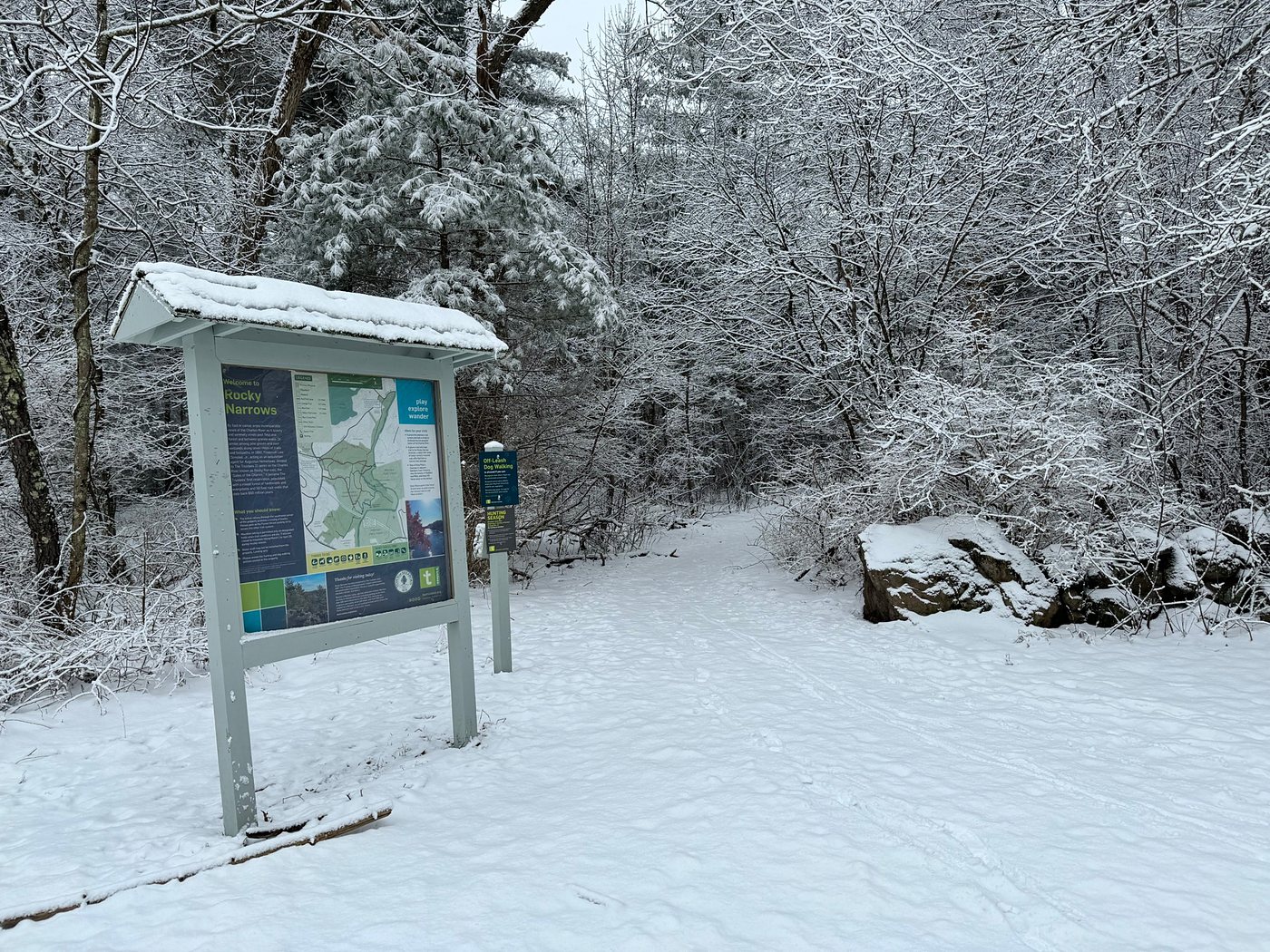
Some winters bring quite a bit of snow to Sherborn, and the town is especially beautiful the morning after a storm. At Rocky Narrows, fresh snow settles on the pine branches and outlines the ledges along the Charles River. Closer to town center, even a familiar sight like the library looks a little different with snow on the roof and just a few sets of footprints leading to the door. Of course, the snow can also be a nuisance, especially when the plow comes by just after you’ve finished shoveling the end of your driveway.
- Typical winter
- Roughly 40 inches of snow, though it varies a lot from year to year
- Snowiest month
- Usually January
- Public roads
- Plowed by the Town’s Department of Public Works
- Driveways
- Up to each homeowner, with a plow service, snowblower, or shovel

Plowing and the roads
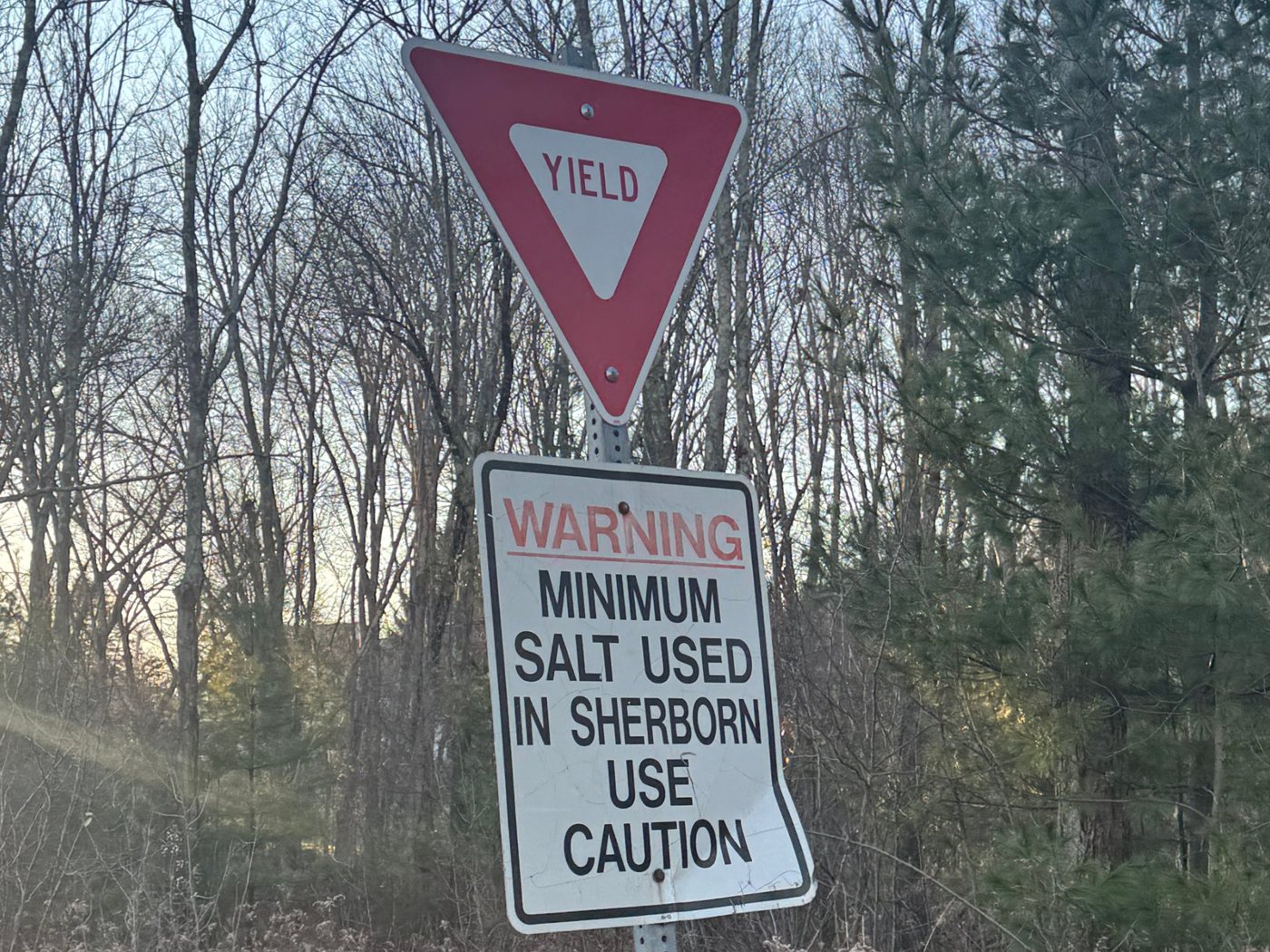
Sherborn’s Department of Public Works plows public roads during snowstorms and sometimes pre-treats them before storms that are expected to bring accumulating snow or icy conditions. Crews spread sand for traction and salt to help melt ice. The town takes care to limit how much salt it uses, an important consideration in Sherborn, where residents rely on private wells for drinking water.
Roads can still be slippery after the plows have been through. All-wheel drive can help you get up a snowy driveway. Once you’re on the road, take it slowly and leave extra room to stop.
School delays and closings
For families with school-age children, road conditions can change the morning routine. Dover-Sherborn schools sometimes delay the start of school to give crews more time to clear the roads before buses head out. If conditions warrant it, the schools may close for the day. Families receive an email and an automated phone call when school is delayed or canceled. Local news outlets like The Boston Globe or CBS Boston will report school delays and cancelations on their websites and television stations.
Clearing your driveway
Homeowners take care of their own driveways and walkways. Many residents with long driveways hire a plow service, while others use a snowblower or shovel. Before the first storm, pick a spot on your property where snow can pile up without blocking your view as you pull out. If you hire someone, show them where you want it to go. Town rules prohibit pushing snow into the street or onto a cleared sidewalk.
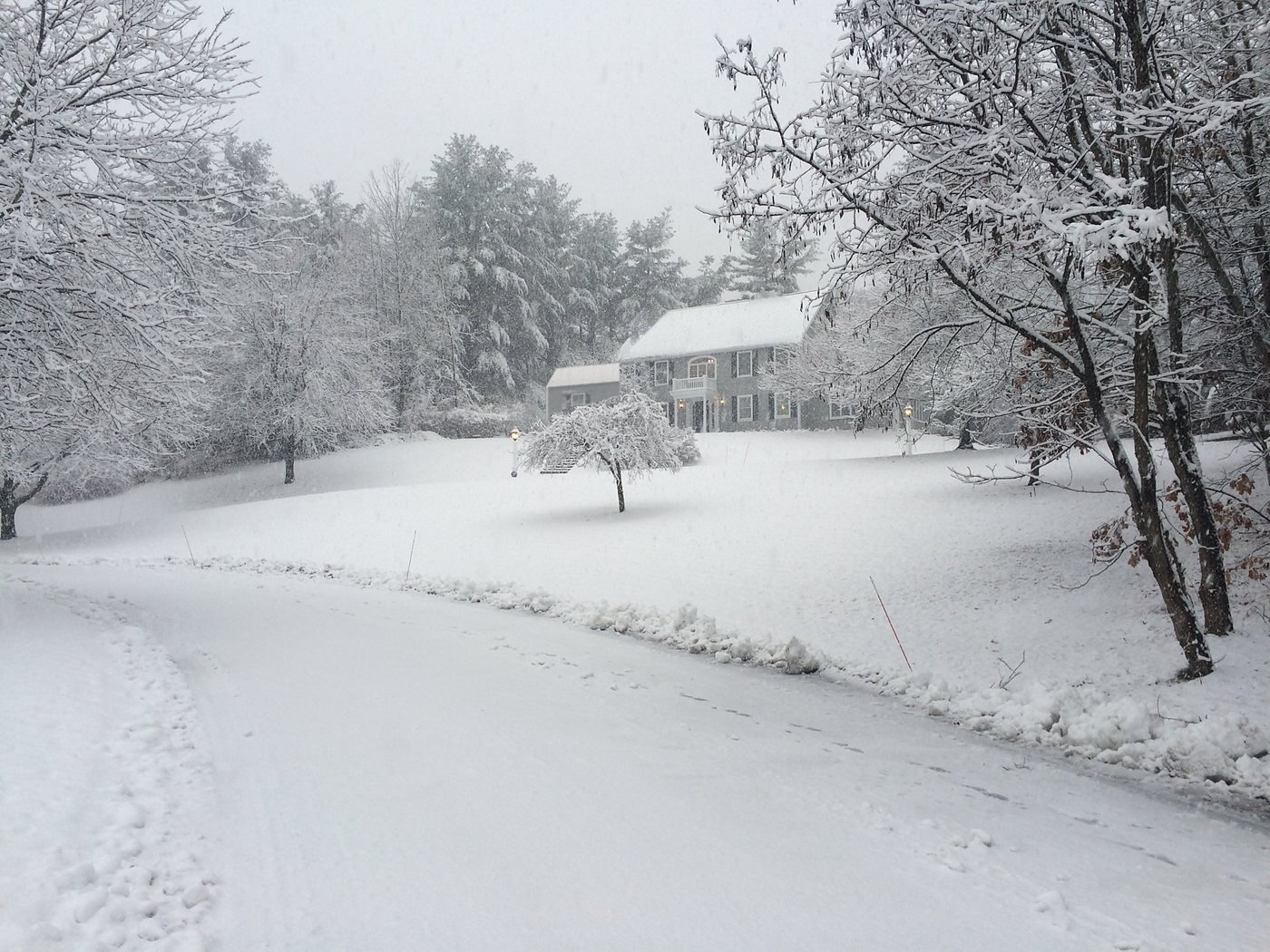
It’s also worth putting up snow stakes before the ground freezes. A few stakes along the driveway and where the lawn meets the road help plow drivers see the edges once the pavement disappears under the snow. While you’re outside, give the mailbox post a quick check. Heavy, wet snow pushed aside by a plow can knock over a loose post. The town also suggests adding reflective tape to the side facing traffic so drivers can spot the mailbox during a storm.
A word about power: big storms, especially heavy, wet snow, can bring down tree limbs and power lines, and many homes on private wells lose water when the power goes out. That is why some homeowners install a generator.
Fun in the snow
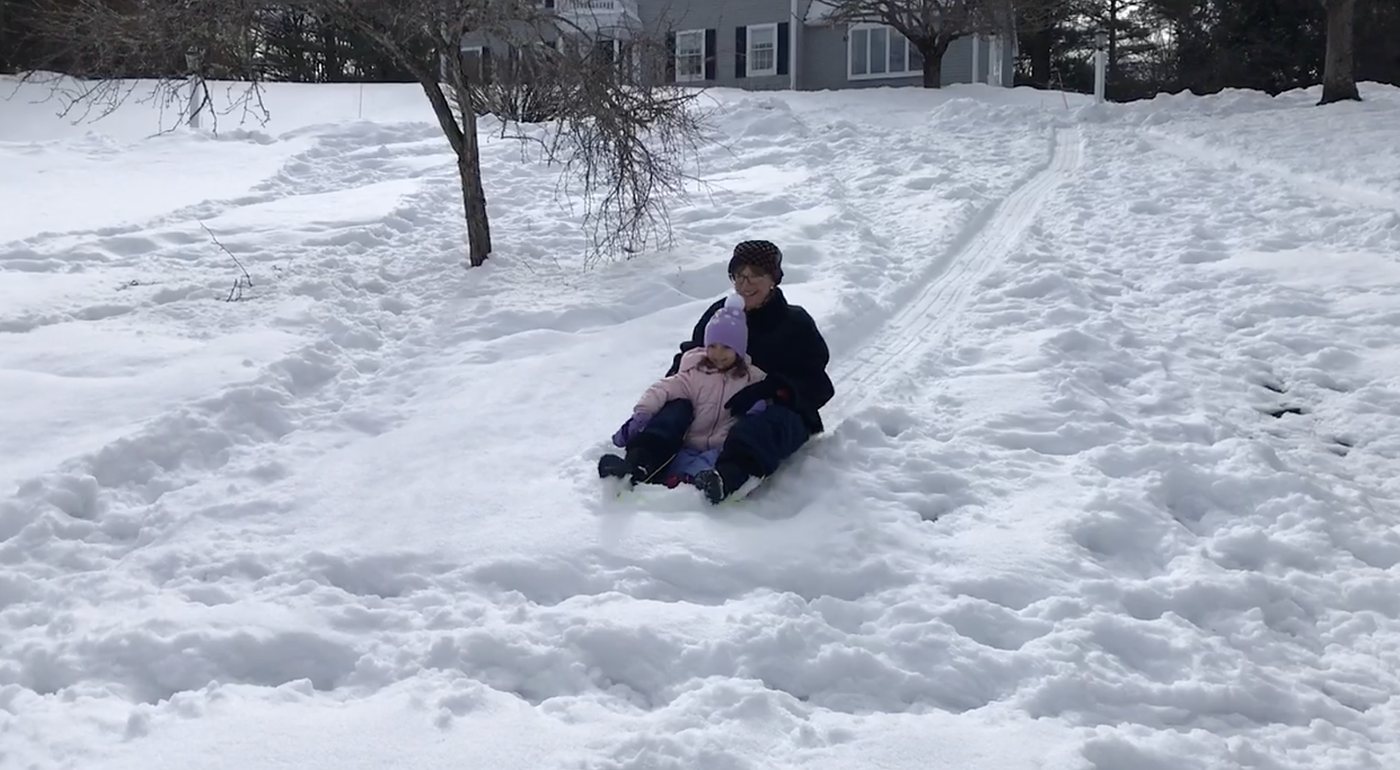
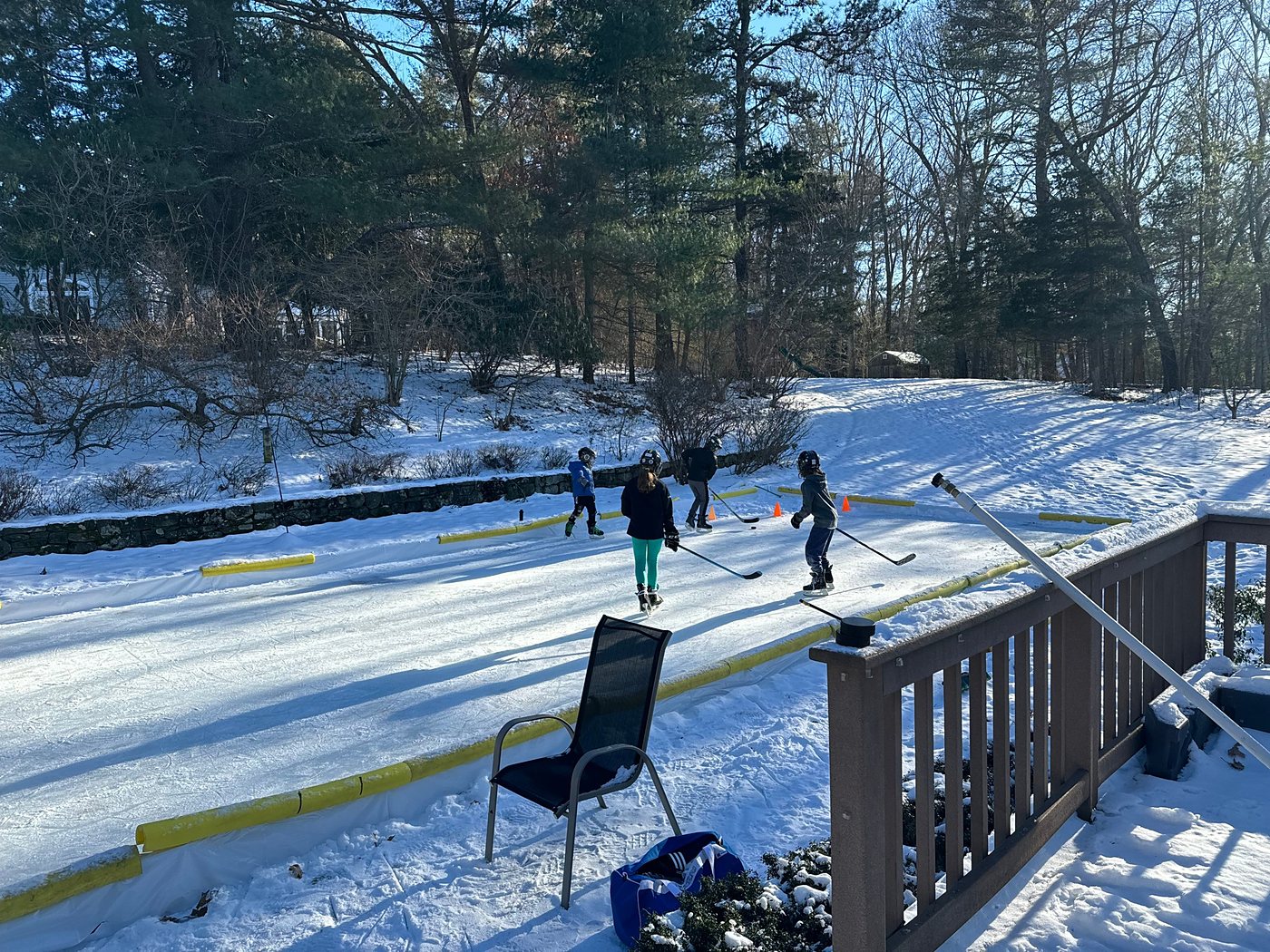
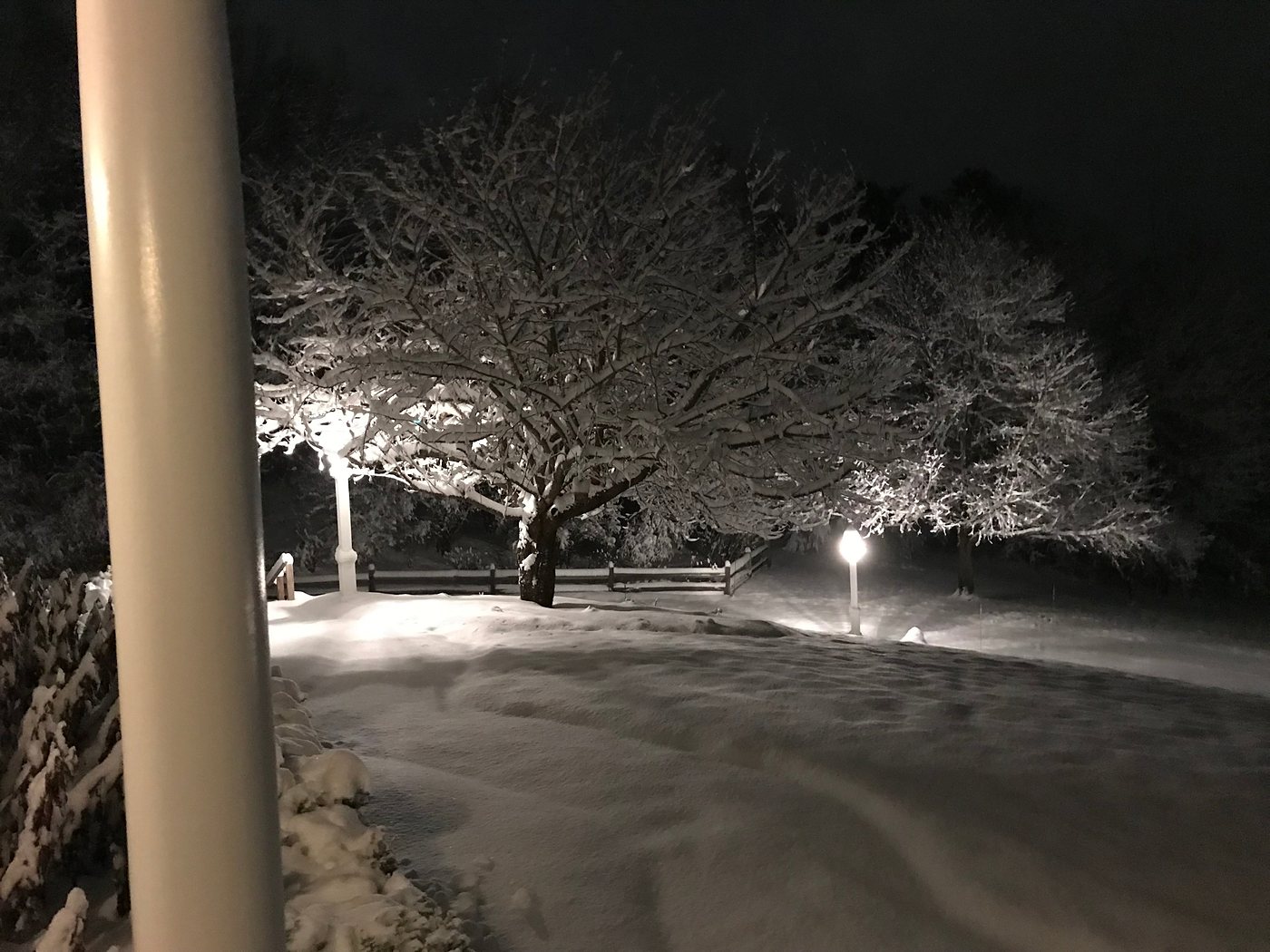
A good storm also means a snow day. Kids head for the nearest hill with a sled, and some families flood a backyard ice skating rink and keep it going for as long as the cold holds. After the plows finish, the evening goes quiet, and lamp posts glow against the snow.
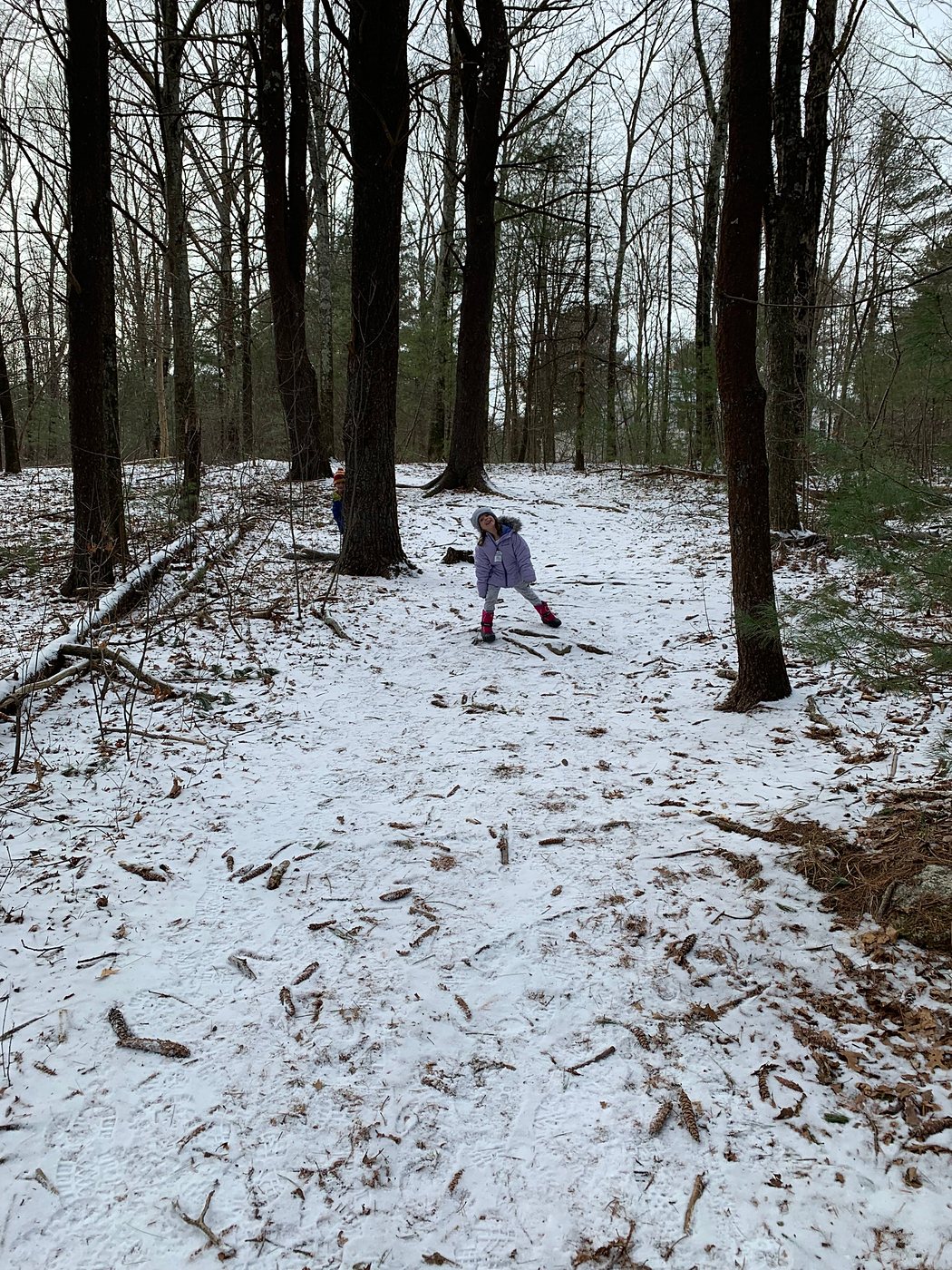
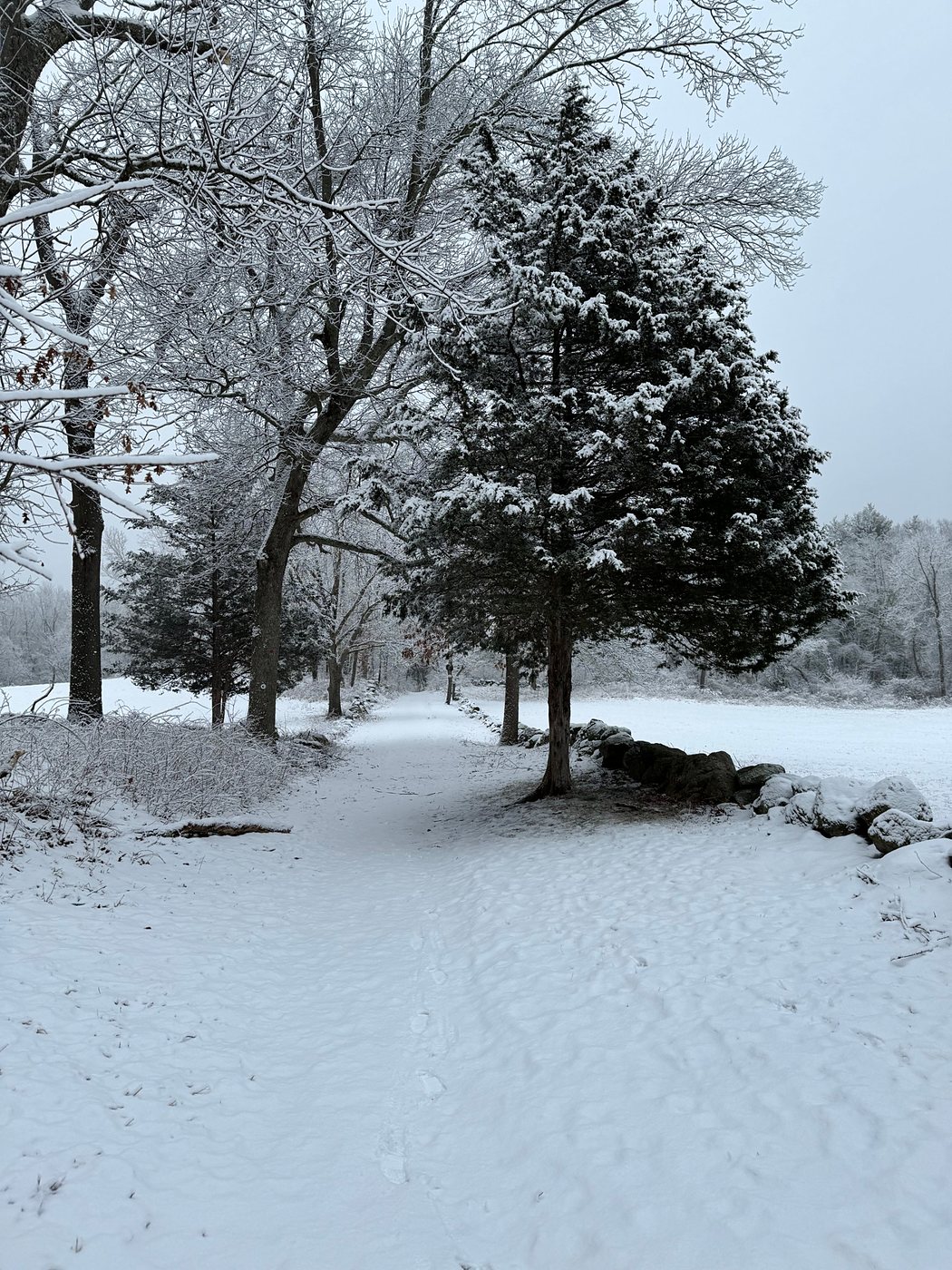
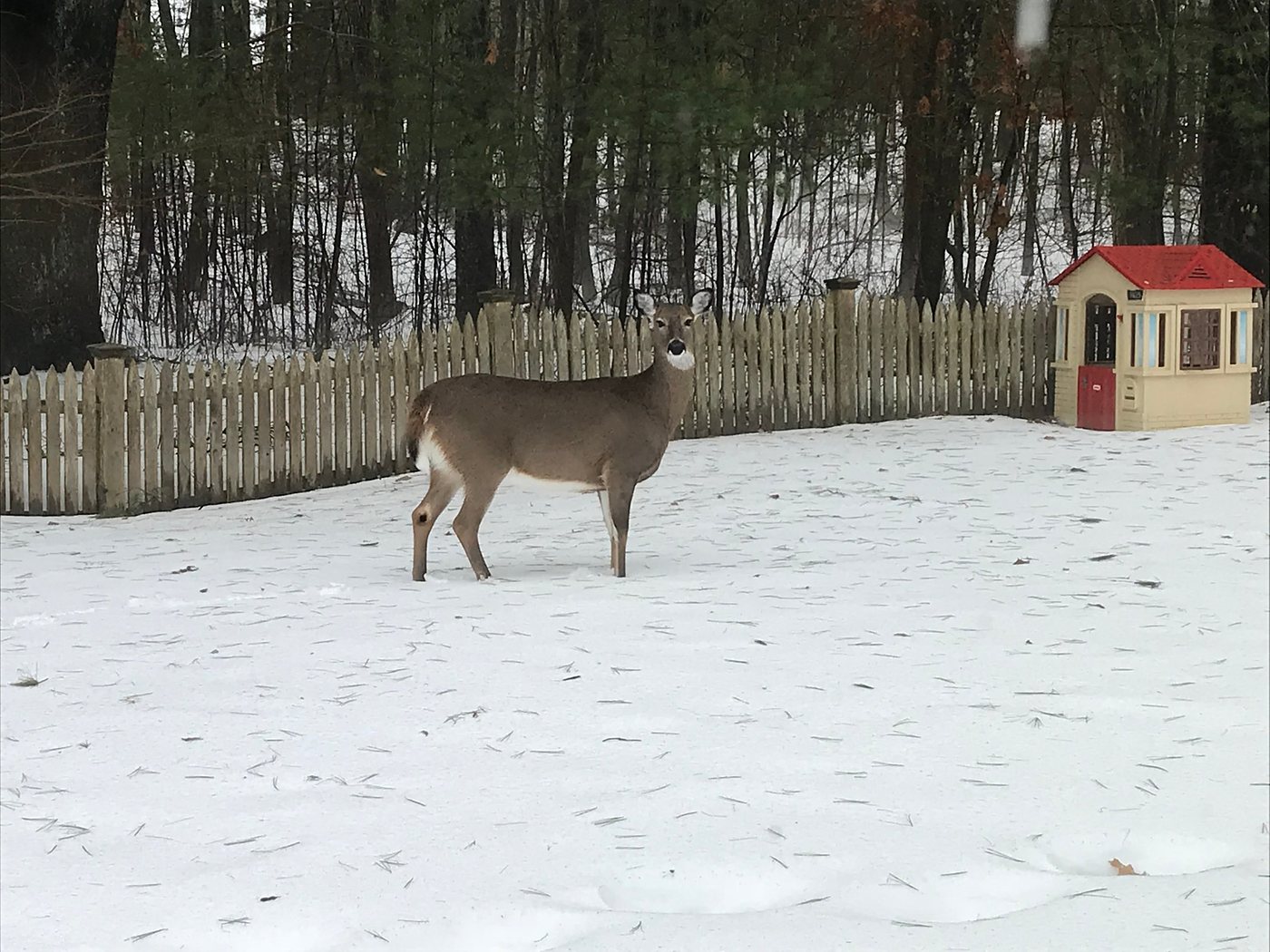
The trails are worth a visit too. After a storm, Rocky Narrows, the Sherborn Town Forest, and the Barber Reservation are quiet and beautiful for a walk, and good for snowshoeing or cross-country skiing when there is enough snow. Look for deer tracks along the way; you may see the deer themselves crossing a backyard or field.
One caution: Farm Pond and the Charles River can freeze over in a cold winter, but the ice may be thin or weak in spots, even when it looks solid. Moving water keeps parts of the river from freezing at all. Stay off the ice.
For average snowfall by month and over recent winters, see our Sherborn weather guide.
Good to know
Before the first storm
- Put up snow stakes along the driveway and where the lawn meets the road before the ground freezes.
- Pick a spot to pile snow that won’t block your view as you pull out.
- Line up a plow service early in the season, and show them where the snow should go.
- Check that your mailbox post is solid, and add reflective tape to the side facing traffic.
- Use salt sparingly on your driveway and walkways, especially near your well.
Go straight to the source