
Sherborn history
Sherborn’s Long History of Cider Making
Orchards, a world-famous cider mill, and the apples still grown in town today.
Apples and cider are a major part of Sherborn’s heritage.
For much of the history of Sherborn, the town was primarily a farming community, and apple orchards could be found in many locations. Cider was made throughout town, and the Sherborn Historical Society’s history of the town notes that apples grew well here and that there were always small cider mills.
Jonathan Holbrook’s cider mill
Jonathan Holbrook was one of the pioneers of the cider industry in Sherborn. Holbrook started his cider operation on Forest Street in 1853. According to the Town of Sherborn’s 1981 historic property survey of the Holbrook Cider Mill site at 51 Forest Street, Holbrook initially produced about 150 barrels of cider per day. The business expanded quickly as new buildings and equipment were added. By 1868, the Sherborn mill was producing about 6,000 barrels of cider per season.
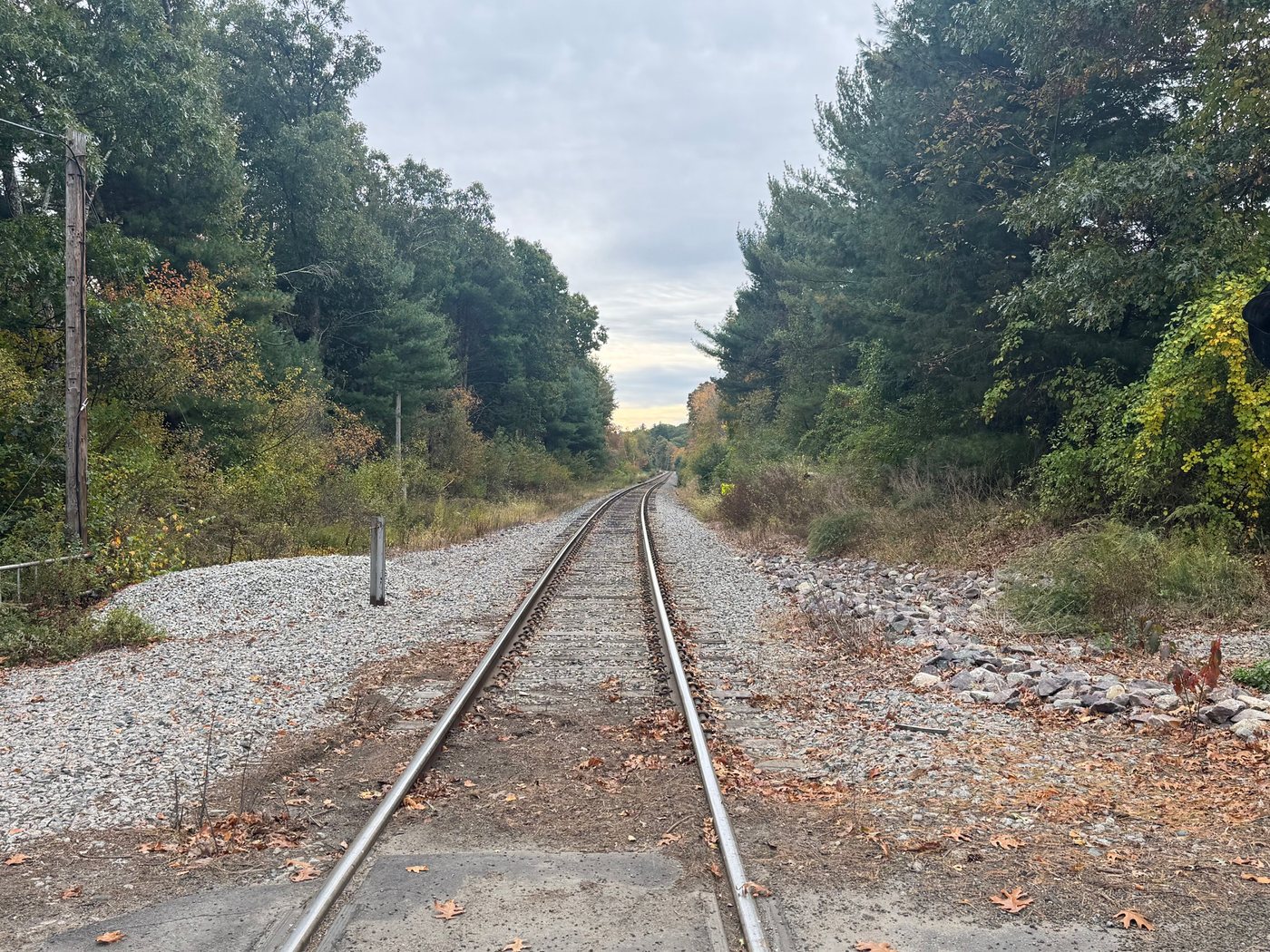
Transportation played an important role in the mill’s growth. For the mill’s first 15 years, the nearest railroad station was miles away in Natick. In 1869, Holbrook hired surveyors to study a proposed railroad route from Framingham that would pass through the center of town and directly by his mill. According to the 1981 survey, the surveyors determined that the Sherborn route would be a half-mile shorter and be $5,000 less expensive to construct. The railroad was built, giving Holbrook direct railroad access to ship his cider to New York City and to other markets. The railroad tracks are still there and in use today.
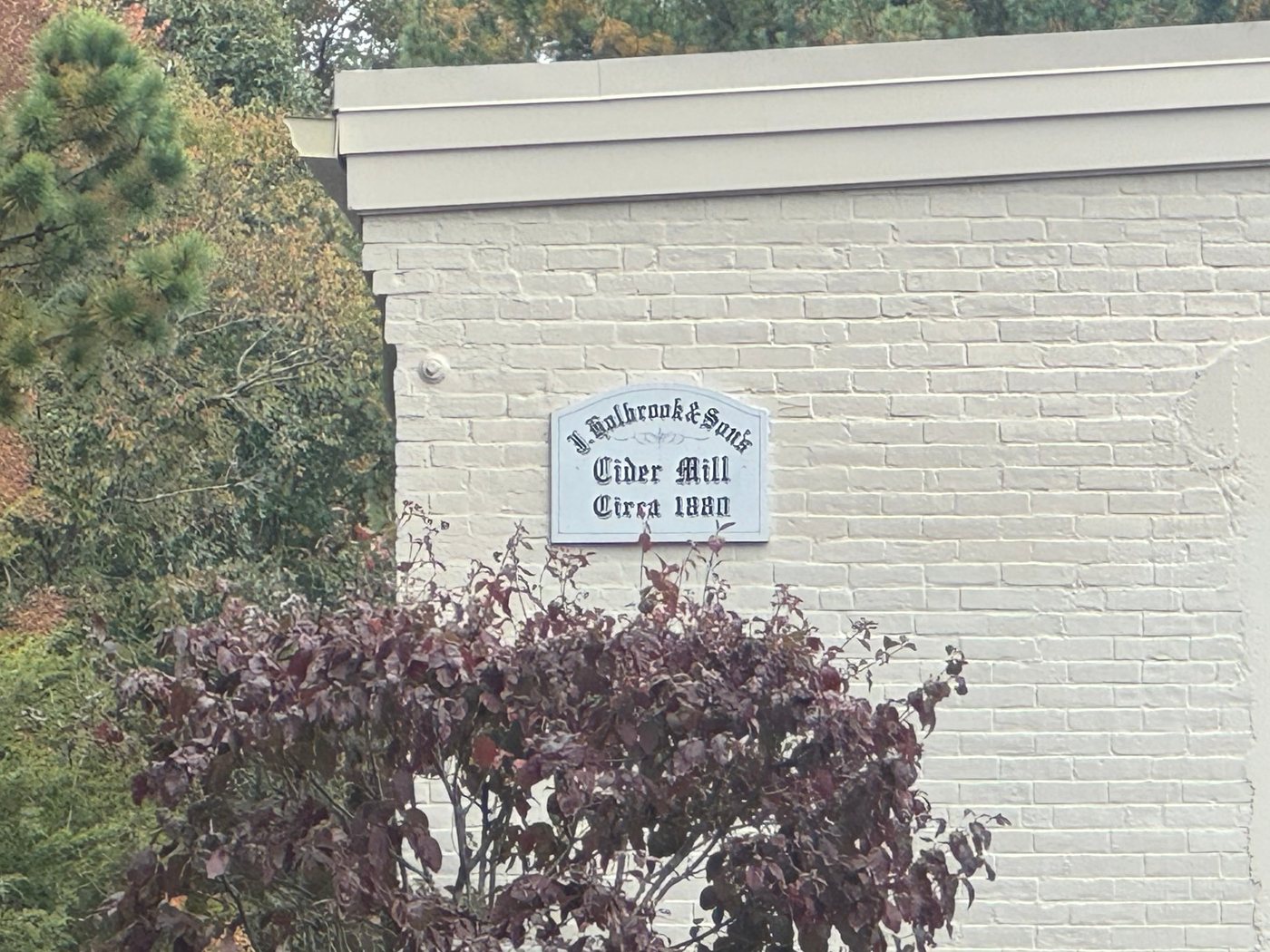
By the 1890s, the Holbrook operation had become even larger. The Sherborn Historical Society notes that Holbrook’s mill was advertised as the “largest refined cider mill in the world,” pressing more than 1.25 million gallons of cider each season. Holbrook’s cider, branded as “Champagne Cider,” was shipped around the United States and overseas to places as far as England and Belgium. The 1981 survey says the mill operated 24 hours a day during the busiest part of the fall production season and eventually had the capacity to make more than 40,000 barrels of cider each year. Most of the Holbrook mill complex was destroyed by a fire in 1909, although cider continued to be produced at the site.
Apples in Sherborn today
Sherborn is no longer the cider-producing hub it was more than a century ago, but apples remain an important part of the town today. Dowse Orchards continues the local orchard tradition, offering people the opportunity to pick their own apples or purchase some from their farm stand on North Main Street. Even some of the town’s street names such as Apple Street, Cider Hill Lane, Old Orchard Road, and Russett Hill Road pay homage to the town’s cider making history.

Stormalong Cider
Cider making has also returned to Sherborn in a more modern form. Shannon Edgar founded Stormalong Cider in Sherborn in 2014, drawing some inspiration from the town’s cider-making tradition and history. On its website, the company shares its story of Stormalong and Sherborn’s cider history, referencing the Holbrook mill and the apple orchards that formerly existed across Sherborn.
Nearly two centuries after Jonathan Holbrook opened his cider mill on Forest Street, apples and cider are still a big part of Sherborn’s identity.